What Are the Highlights of Nummazaki?
First, some basics. Nummazaki is not your typical Japan stopover. There are no bullet trains or neonlit skylines. What it offers instead: fishing villages, cliffs brushed by wild waves, humble tea houses, and tempura worth writing home about. The highlights of Nummazaki exist mostly outdoors—and that’s the point.
Coastal Trails With Real Payoff
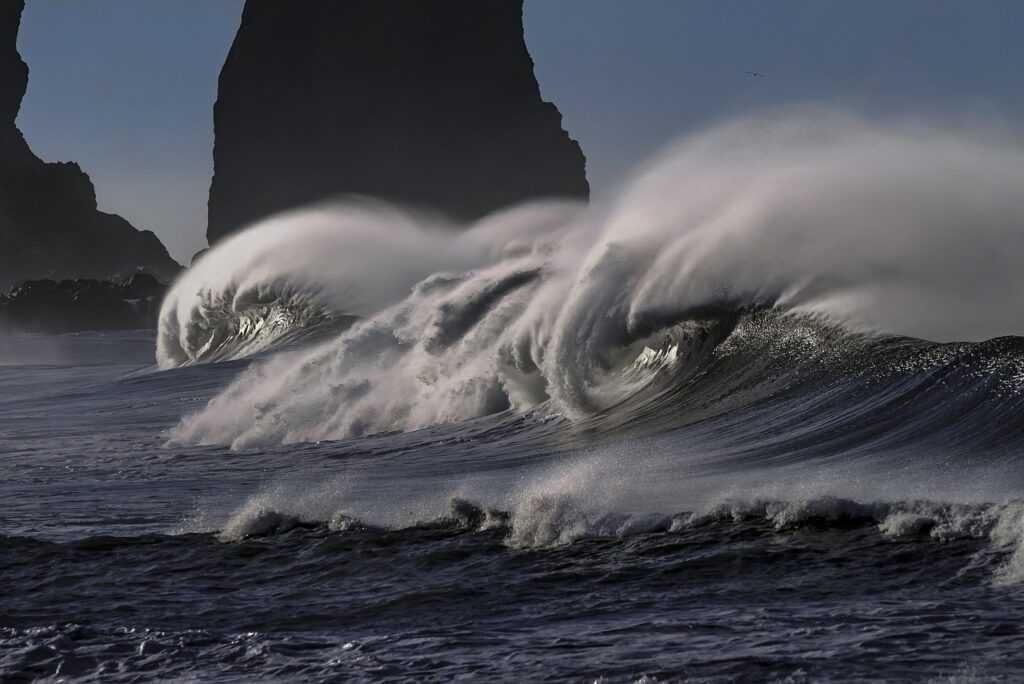
Start with the shoreline. The coastal walking trail threading Nummazaki’s perimeter is a wellkept local secret, known for its quiet, rugged charm. Expect rocky outcroppings, sudden vistas, and crumbling staircases that seem to lead into the sea. In spring, wildflowers creep into view. In winter, crashing tides serve as your soundtrack. Wear sturdy shoes. Bring no expectations.
The Lighthouse and Its Lonely Post
One of the unmistakable highlights of Nummazaki is the solitary lighthouse overlooking the Noto Peninsula’s southern edge. It’s not flashy or tall—just a squat concrete structure battered by decades of coastal storms. But its placement is cinematic. Walk out along the promontory to get blasted by sea wind, stare into the horizon, and understand why local haiku so often mention the sea.
Fresh Seafood Without the Crowd
Don’t leave Nummazaki hungry. The local fishing catch is humble but exceptional—mackerel, squid, scallops, and a dozen other lessexported options. Familyrun inns and backstreet izakaya (Japanese taverns) serve it up grilled, pickled, and raw, depending on the day’s haul. Visitors rave about the simplicity and freshness—and the fact you won’t be jostling tourists to get a table.
Cultural Threads in the Shadows
There’s history too, if you tune in. Tiny roadside shrines, handcarved over decades, still dot the hills along the coast. Local folk festivals—small, sincere, and proudly DIY—take place in spring and autumn, complete with eerie masks and fire rituals.
The folklore around the region is worth a detour. Nummazaki locals speak about the sea with a reverence that borders on fear. Stories of sea spirits and disappearing sailors aren’t told like fiction—they’re passed down with nods and warnings. Ask about them at any dinner table and you’ll leave with more than one version.
Seasonal Highlights of Nummazaki
Each season gives Nummazaki a different mood:
Spring: Plum blossoms and freshwater fish. Trails are cool, verdant, and quiet. Summer: Warm currents bring dramatic clouds and perfect weather for long hikes. Autumn: Local persimmons ripen, and small festivals pop up in each village. Winter: Rough seas, snowcapped cliffs, and the kind of cold that makes hot miso soup unforgettable.
No matter the time of year, there’s always a reason to show up. Just dress accordingly.
How to Get There and Keep It Simple
Getting to Nummazaki takes effort, but that’s the filter. Most visitors drive in from Kanazawa or hail from nearby fishing towns. Public transport gets you close—but not quite there—so having a rental car or a willingness to walk helps a lot.
Accommodations are deliberate. A handful of ryokan (traditional Japanese inns) dot the area, many with two or three rooms. Most include dinner, which is not to be skipped. Expect tatami floors, futons, and hospitality that doesn’t feel rehearsed.
Why the highlights of Nummazaki Matter Now
Today’s travel scene is loud—booming TikToks, crowded photo spots, curated experiences. Nummazaki burns slow. It doesn’t try to impress, and that’s the draw. You come here to reset, to be reminded that what’s simple often lasts, and that some of the best places don’t trend—they endure.
Whether you’re interested in coastal solitude, quiet cultural threads, or just the kind of seafood that ruins you for anything else, highlights of Nummazaki deliver in their own quiet way. Don’t expect fireworks. Just show up, stay a while, and let the place do its work.